
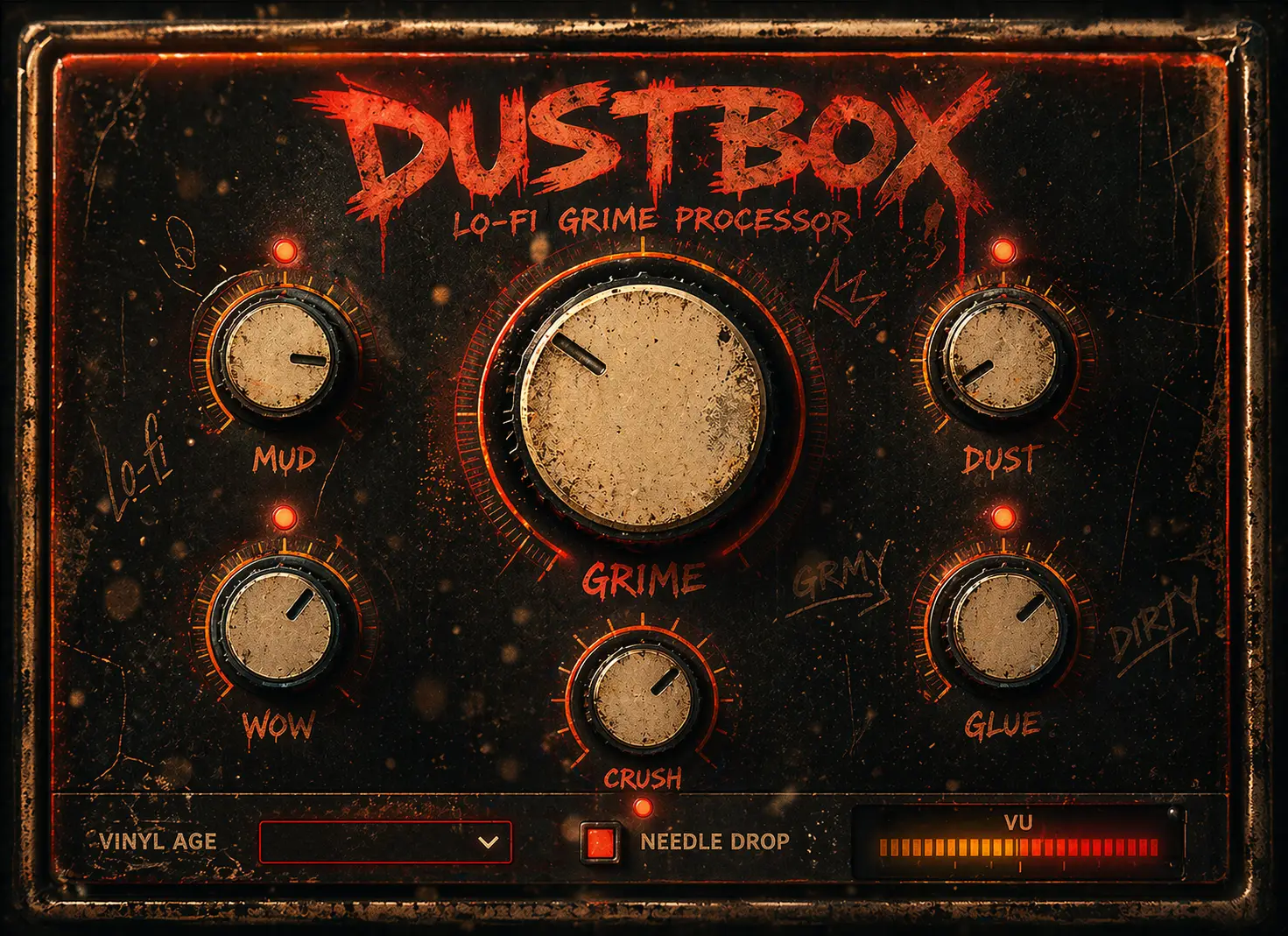
Why VST Plugins Are Essential for Modern Music Production
Published by Darkstarz Technologies
In today’s music industry, professional-quality production no longer requires an expensive recording studio filled with hardware equipment. Thanks to modern plugin technology, producers, engineers, artists, and creators can build industry-level sound directly from their computers.
At the center of this revolution are VST plugins.
Whether you create hip-hop, EDM, reggae, pop, cinematic scores, podcasts, or vocal recordings, VST plugins have become the foundation of modern digital audio production.
What Are VST Plugins?
VST stands for Virtual Studio Technology.
A VST plugin is software that integrates into a DAW (Digital Audio Workstation) to add new instruments, sounds, and effects.
These plugins can emulate:
- Analog hardware
- Studio compressors
- Vintage EQs
- Reverb chambers
- Tape machines
- Synthesizers
- Guitar amplifiers
- Drum machines
Instead of spending thousands on physical gear, producers can now access powerful studio tools instantly through software.
Why Producers Depend on VST Plugins
Modern music production moves fast. Artists and producers need flexibility, speed, and creativity.
VST plugins provide all three.
Unlimited Creative Possibilities
Plugins allow creators to shape sound in ways that would be impossible or extremely expensive with hardware alone.
From cinematic textures to aggressive trap vocals, plugins help define an artist’s sound.
Professional Sound From Anywhere
A laptop, headphones, and the right plugins are now enough to create radio-ready music.
Many charting songs today are produced entirely “in the box” using plugins.
Faster Workflow
Instead of rewiring studio hardware, plugins allow instant recall of settings and sessions.
This makes:
- Mixing faster
- Collaboration easier
- Revisions more efficient
Types of VST Plugins Every Producer Should Know
EQ Plugins
EQs shape frequencies in your mix.
Use them to:
- Clean muddy vocals
- Brighten instruments
- Control harsh frequencies
- Create balance
Compression Plugins
Compressors control dynamics and add consistency.
They help:
- Tighten vocals
- Punch up drums
- Smooth instruments
- Glue mixes together
Reverb & Delay Plugins
These effects create depth and space.
Perfect for:
- Atmospheric vocals
- Wide synths
- Ambient textures
- Spacious mixes
Saturation & Analog Emulation
These plugins recreate the warmth of vintage hardware.
They add:
- Character
- Harmonics
- Punch
- Vintage tone
Virtual Instruments (VSTi)
Instrument plugins generate sound directly.
Examples include:
- Synthesizers
- Pianos
- Strings
- Drum machines
- Samplers
Choosing the Right Plugins
Not every plugin is worth installing.
Quality matters more than quantity.
When selecting plugins, producers should look for:
- Stable performance
- Low CPU usage
- High-quality sound
- Easy workflow
- Reliable updates
- Professional compatibility
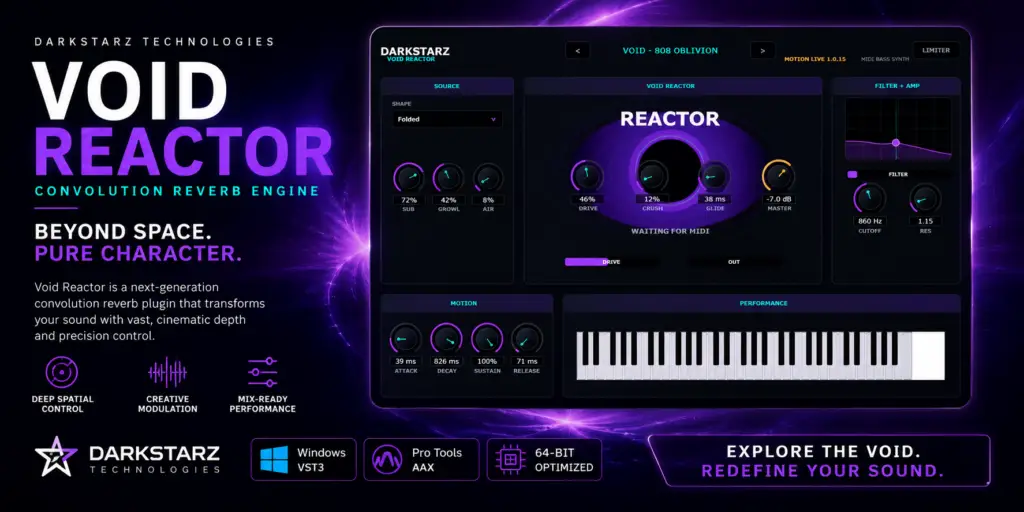
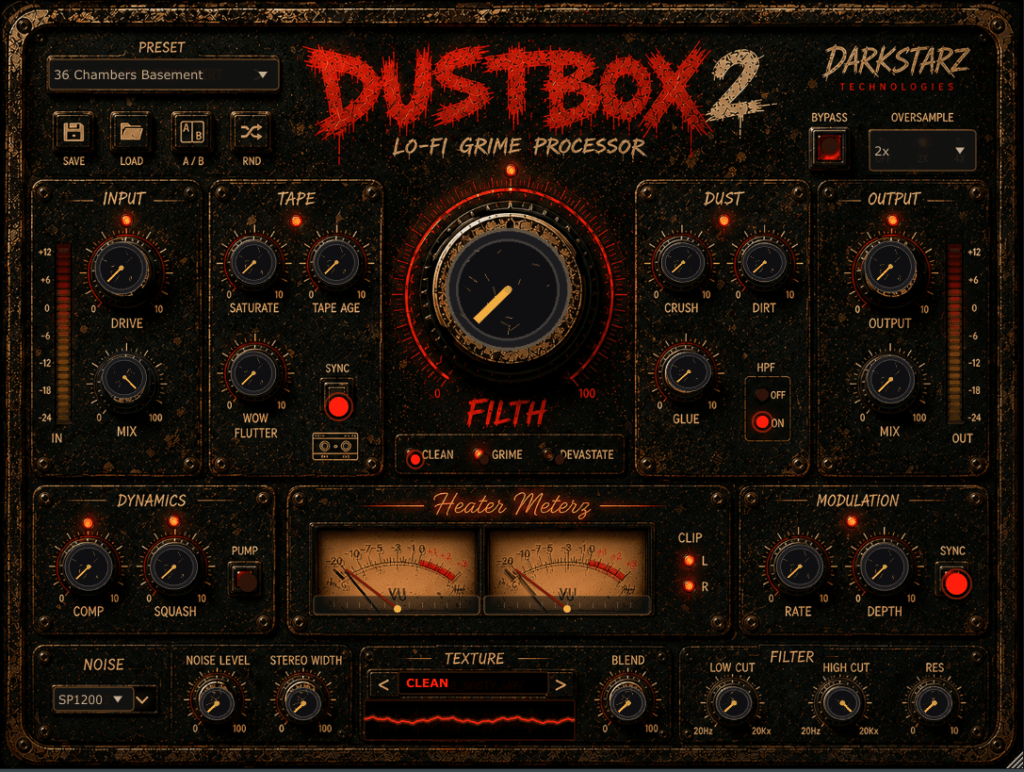
At DarkstarzTechnologies, we focus on tools designed to improve workflow, creativity, and sound quality for modern creators.
Free Plugins vs Premium Plugins
Free plugins can be excellent learning tools.
However, premium plugins often provide:
- Better algorithms
- Advanced controls
- Higher sound quality
- More presets
- Professional support
- Frequent updates
The best setup usually combines both.
Common Mistakes New Producers Make
Installing Too Many Plugins
Having hundreds of plugins can actually slow creativity.
Many professionals rely on a small collection of trusted tools.
Ignoring Plugin Organization
Organizing plugins into categories helps maintain workflow speed.
Suggested folders:
- Vocals
- Mixing
- Mastering
- Instruments
- Effects
Focusing on Presets Instead of Learning
Presets are useful starting points, but understanding:
- EQ
- Compression
- Gain staging
- Signal flow
is what truly improves mixes.
The Rise of Independent Music Production
The internet changed the music industry forever.
Independent artists now:
- Record at home
- Mix remotely
- Sell beats online
- Build fanbases independently
Plugins are a major reason this is possible.
Affordable software tools have lowered the barrier to professional production, allowing creators worldwide to compete with major studios.
What Makes a Great Plugin?
A great plugin should:
- Sound professional
- Inspire creativity
- Improve workflow
- Be easy to use
- Remain stable under heavy sessions
The best plugins disappear into the creative process and let artists focus entirely on making music.
The Future of Audio Plugins
Plugin technology continues evolving rapidly.
Modern trends include:
- AI-assisted mixing
- Smart mastering tools
- Cloud collaboration
- Advanced analog modeling
- Spatial and immersive audio
- Real-time vocal processing
As technology improves, plugins will continue reshaping the future of music production.
Final Thoughts
VST plugins are more than software tools — they are creative instruments that empower artists to bring ideas to life.
Whether you’re recording vocals, producing beats, mixing albums, or designing cinematic soundscapes, the right plugins can completely transform your workflow and sound quality.
Success in music production is not about owning the most plugins. It’s about understanding the tools you use and developing your own creative style.
Explore Professional Audio Tools
Visit DarkstarzTechnologies for:
- Premium VST plugins
- Producer tools
- Audio effects
- Mixing resources
- Digital downloads
- Creative production software
Take your sound to the next level with tools built for modern creators.
I didn’t receive the key after checkout.
The key was on the download page. But I just emailed it to you